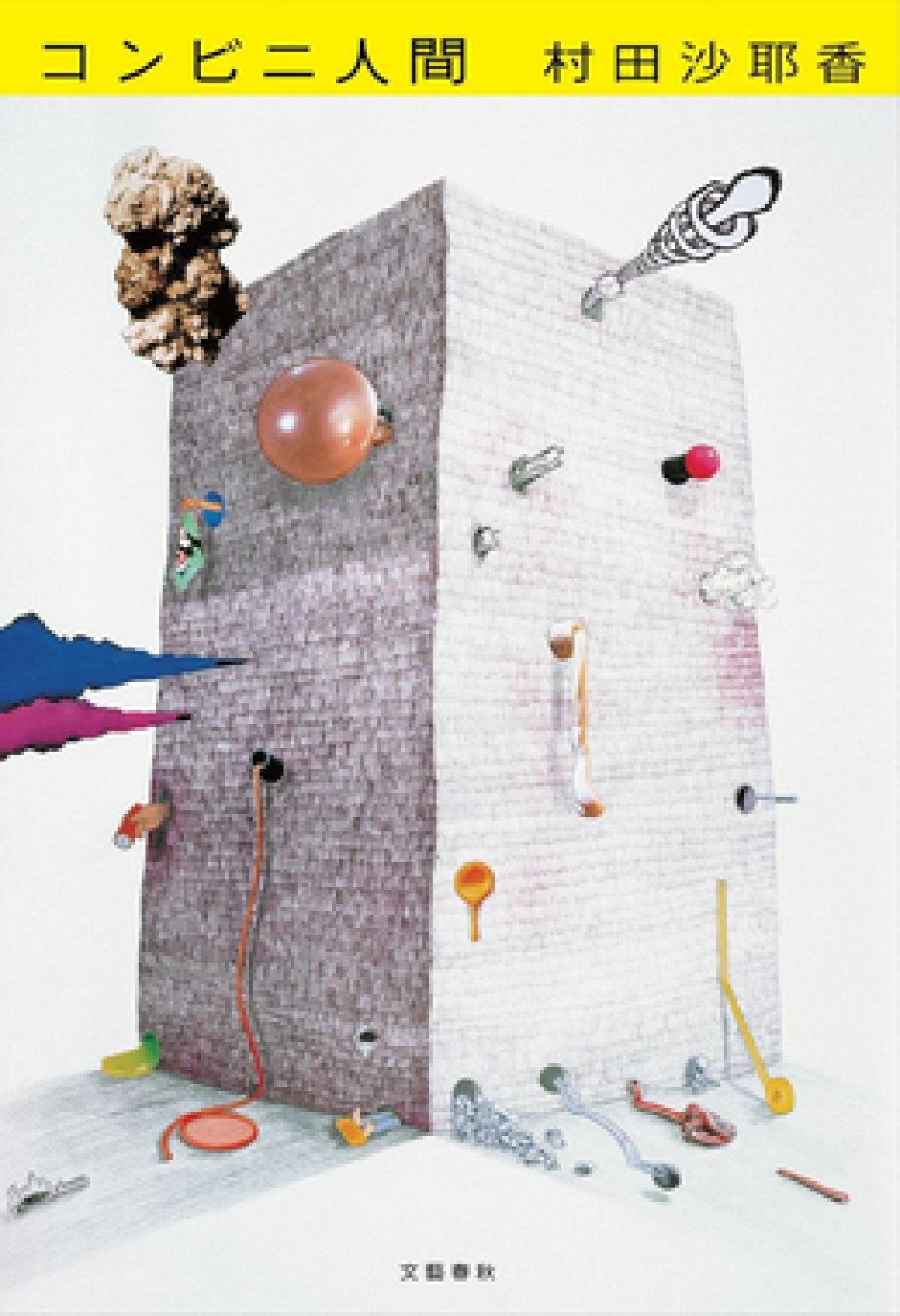

I read both Osamu Dazai’s No Longer Human (1948) and Sayaka Murata’s Convenience Store Woman (2016) recently and found a unique perspective in both authors’ views on loneliness, alienation, and how the role of society’s expectations has changed for men and women over the past century.
In No Longer Human, Dazai’s protagonist Ōba Yōzō is an alcoholic artist who drifts between women and unsuccessfully attempts a double suicide with a bar hostess. Society gives him a long leash before discarding him, partly because his charm buys time with his friends and loved ones, but also because male self-destruction carries a certain dark glamour in the postwar buraiha (無頼派) literary tradition. He selfishly destroys all his relationships, exploits the women and friends who shelter him, and survives the suicide attempt that kills his companion, yet the novel’s framing still invites us to grieve for him. Sayaka Murata’s protagonist Keiko, however, is punished for what she doesn’t want. Her behavior is impeccable but she doesn’t desire marriage, romance, career advancement, or children. That absence of desire is treated as more threatening than any of Yōzō’s actual self-destructive behaviours. The man who breaks every rule gets tragic sympathy, but the woman who follows every rule but lacks the correct inner life gets treated as broken by society.
The tonal gap and public commentary of both novels reinforces this divide. Yōzō’s story is framed as literary anguish worthy of the confessional watakushi shōsetsu (私小説) tradition. Keiko’s alienation runs just as deep, but it is framed as dark comedy in most of its marketing materials. The way each book is packaged mirrors the way each character is treated inside it. Yōzō drifts from woman to woman, each offering shelter or care, each eventually harmed by proximity to him. His passivity maps onto a recognizable archetype: the tortured artist, helpless before his own demons. It is tolerated accordingly. Keiko’s most intimate relationship is a strategic prop. She installs Shiraha, a misogynistic unemployed man, in her apartment as a decoy boyfriend to deflect the questions she’s tired of answering. Even intimacy is a performance staged for someone else’s benefit. Society romanticizes Yōzō’s self-destruction but pathologized Keiko’s contentment with her life serving a convenience store.
Read together, the two books form a dialogue across seventy years. Dazai asked the question: what happens when you can’t be human? Murata, knowingly working in his shadow, wrote the follow-up: it depends on what kind of human you were supposed to be. Society doesn’t reject nonconformity itself, it rejects specific types of nonconformists. Who you are: your gender, your era, the shape of your particular wrongness, determines how your story gets told.